Why Do UK Visas Get Rejected?
The most common reasons UK visitor visas are refused, and how to avoid them in your application.

Applying for a UK visa can be stressful, particularly when you're concerned about the possibility of rejection.
Every year, UK visitor visa applications are refused because applicants fail to demonstrate that they meet the required immigration rules.
Understanding the common reasons for UK visa refusals can help South African travellers prepare stronger applications.
1. Insufficient Financial Evidence
One of the main reasons for UK visitor visa refusals is inadequate evidence of financial circumstances.
UK Visas and Immigration (UKVI) must be satisfied that you can afford your trip without working illegally or relying on public funds.
Common concerns include:
- Insufficient funds for the planned trip.
- Large, unexplained bank deposits.
- Income that does not match bank statements.
- Travel expenses that appear unrealistic compared to your financial circumstances.
Important: There is no fixed minimum bank balance required for a UK Standard Visitor Visa.
2. Insufficient Evidence That You Will Return to South Africa
UKVI must be satisfied that you are a genuine visitor who intends to leave the UK at the end of your authorised stay.
Applicants may face refusal if their personal or financial circumstances raise concerns about their intention to return home.
Evidence of employment, business commitments, studies or family responsibilities in South Africa may help demonstrate your circumstances.
Being unemployed or not owning property does not automatically result in refusal.
3. Incorrect or Inconsistent Information
Information provided in your visa application should be accurate and consistent with your supporting documents.
Discrepancies involving employment, income, travel history or sponsorship arrangements may raise concerns.
Providing false information or fraudulent documents can result in refusal and serious consequences for future applications.
4. Insufficient Supporting Documents
Applicants must provide enough evidence to demonstrate that they meet the relevant visa requirements.
Depending on your circumstances, supporting documents may include:
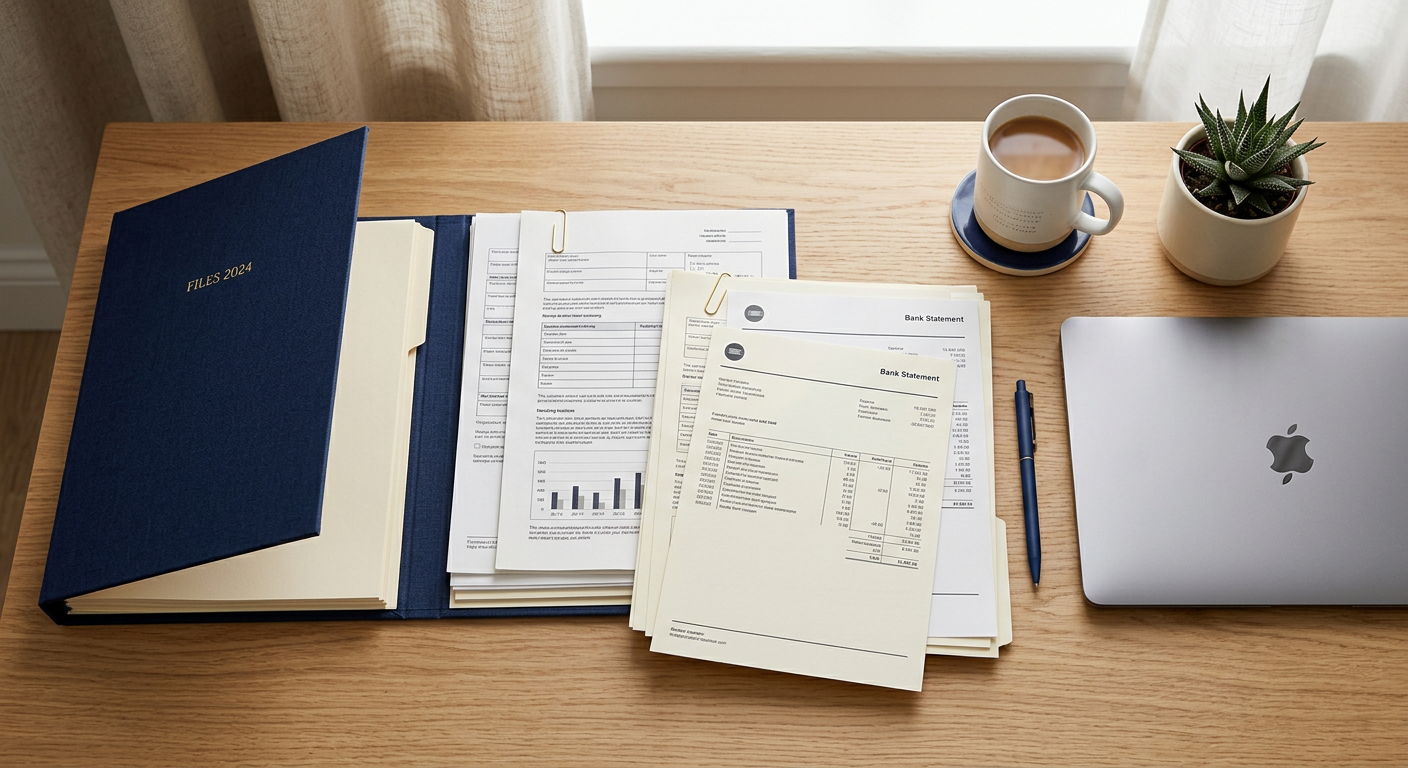
- Bank statements and proof of income.
- Employment or business documentation.
- Evidence of your intended visit.
- Sponsorship documents, where applicable.
Not every applicant requires the same documents. The evidence should support their individual circumstances.
5. Unclear Purpose of Travel
UKVI must understand why you intend to visit the United Kingdom.
Applications may be refused when the stated purpose of travel is unclear, inconsistent or does not qualify under the visitor visa rules.
Your intended activities, accommodation arrangements and length of stay should be reasonable and clearly explained.
Can You Reapply After a UK Visa Refusal?
Yes. In many circumstances, applicants can submit a new UK visa application following a refusal.
However, you should carefully review the refusal letter, address the reasons provided and submit appropriate additional evidence before reapplying.
A previous refusal does not automatically prevent future approval.
The best way to reduce the risk of a UK visa refusal is to ensure that your application is accurate, your financial circumstances are clearly explained and your supporting documents are consistent.
Although no visa application can be guaranteed, careful preparation can help avoid unnecessary complications.
For professional application assistance and supporting document reviews, visit UK Visas.
This guide is for general information. Visa rules can change — confirm the latest requirements when you apply, or contact our team for help.